How to Block Apps on iPhone and Actually Keep Them Blocked
Apple's built-in Screen Time can block apps, but you can bypass it in seconds. Here's how to make app blocking actually stick - for good.
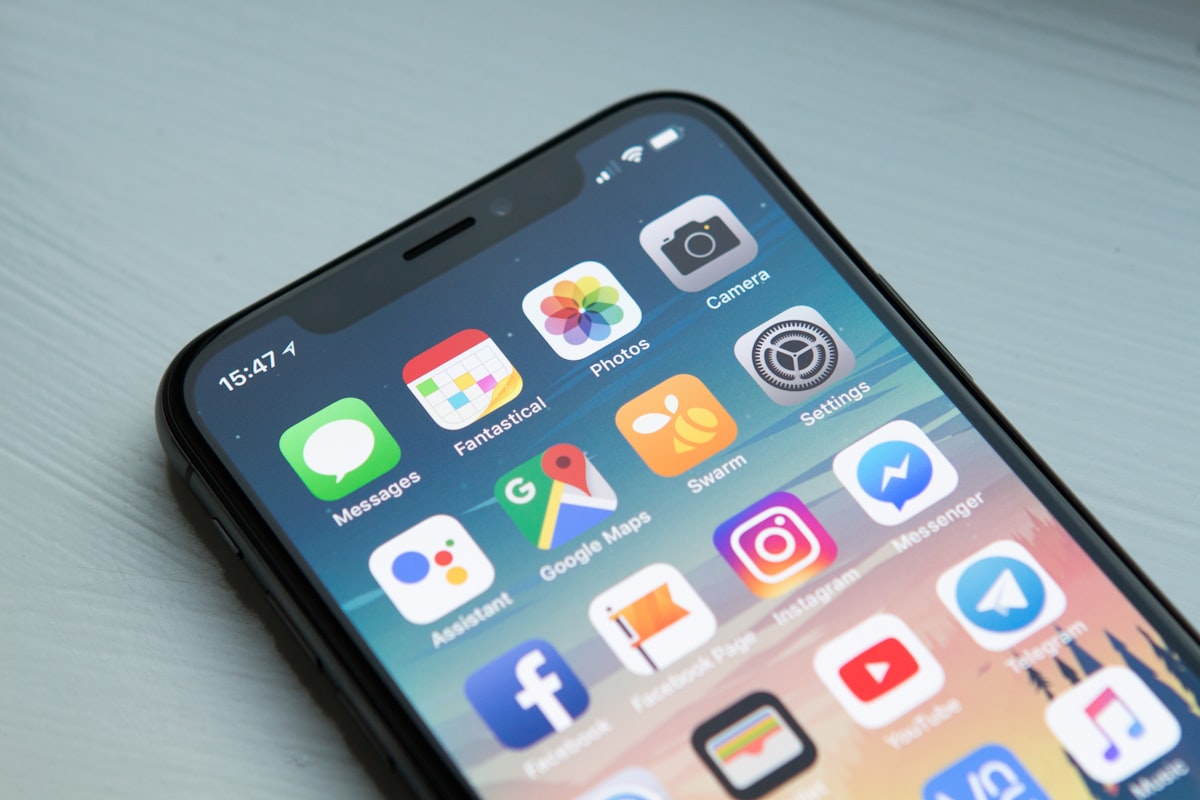
Apple's Screen Time built into iOS is genuinely useful. You can set daily limits, schedule downtime, and block specific apps. For about three days, it works beautifully.
Then you hit a moment of weakness, tap "ignore limit" in the bottom corner, and the whole system collapses. Because Screen Time is designed to be overridden by the same person who's trying to use it. And in a weak moment, you are not strong enough to outvote the version of you that wants to open Instagram.
This is the core problem with app blocking: the person who sets the restrictions is the same person who can undo them. And in the moments when the restrictions would matter most - late at night, when tired, when stressed - you're most likely to override them.
Why Willpower-Based App Blocking Fails
Most app blockers assume the problem is information. You know you use your phone too much. You want to stop. If only there were a way to make it harder. So you install an app, set a timer, and hope that the next time you reach for Instagram, you'll be stopped.
But the problem isn't information. You know exactly how much you use your phone. The problem is impulse. You open Instagram not because you decided to, but because you opened your phone for one reason and ended up on the app without really choosing to. The intention to stop doesn't translate into behavior change because the behavior is automatic, not deliberate.
Willpower-based blockers try to solve an impulse problem with a rational tool. They work until the moment when willpower is depleted - which is exactly the moment when the blocking would matter most.
What Makes App Blocking Actually Stick
The key insight is that the restriction has to be harder to bypass than the impulse is strong. Not just slightly harder, but categorically harder. The bypass option has to feel like a bigger decision than the impulse to scroll.
There are two approaches that actually work:
Social accountability - set the Screen Time passcode with someone else. Your partner, a friend, a family member. You can't override it without calling them and asking for the code. That friction is enough to break the reflex. You probably won't call. You'll just put the phone down.
A different unlock path - replace "blocked" with "redirected." Instead of the app being unavailable, it's available after a different action. PageLock doesn't block Instagram. It asks you to verify a book page or start a reading session. The app is one real action away, which means you have to make a conscious choice rather than just tapping "ignore limit."
The second approach works better long-term because the redirect builds a habit rather than just enforcing a restriction. The book you verify today becomes a reading session tomorrow becomes a genuine reading habit in a month.
How to Block Apps on iPhone That You Won't Override
-
Choose one or two apps to start with - not everything. Start with the ones you open without thinking. Trying to block everything at once creates a system that feels oppressive and you'll override it.
-
Use page verification as your primary unlock - the physical requirement of finding a real book breaks the reflex more than a timer does. It's harder to automate.
-
Set a Screen Time passcode with someone else - for the apps you block through iOS Settings, have a trusted person set the passcode. This makes bypassing require a phone call, not just a tap.
-
Set a phone-free evening window - configure PageLock to gate your most-used apps from 9pm onwards. Not blocking, just requiring a reading path. This protects your sleep without feeling like a punishment.
-
Don't try to be perfect - one night of scrolling doesn't undo the habit. The goal is a different average, not perfect adherence. If you're reading three nights out of five, that's progress.
How to Reduce Screen Time With App Blockers
App blocking isn't about punishment or restriction. It's about buying time - time between impulse and action, time to make a real choice, time to build a different default.
The apps you use without thinking are the ones that have the most claim on your attention. Making them require one real action before access doesn't make them inaccessible. It makes the access deliberate.
When you verify a book page before opening Instagram, you're not being blocked. You're being asked a question: do you actually want this? And the honest answer, more often than you'd think, is no.
The reason most screen time apps don't work is that they block without redirecting. Here's why the redirect approach is different.
PageLock is available on the App Store. Start reading today and be more present.